Secure Every Identity. Human. Machine. AI.
OTTO Technologies helps regulated enterprises govern, modernize and secure identity and access across people, applications, workloads and emerging AI agents.


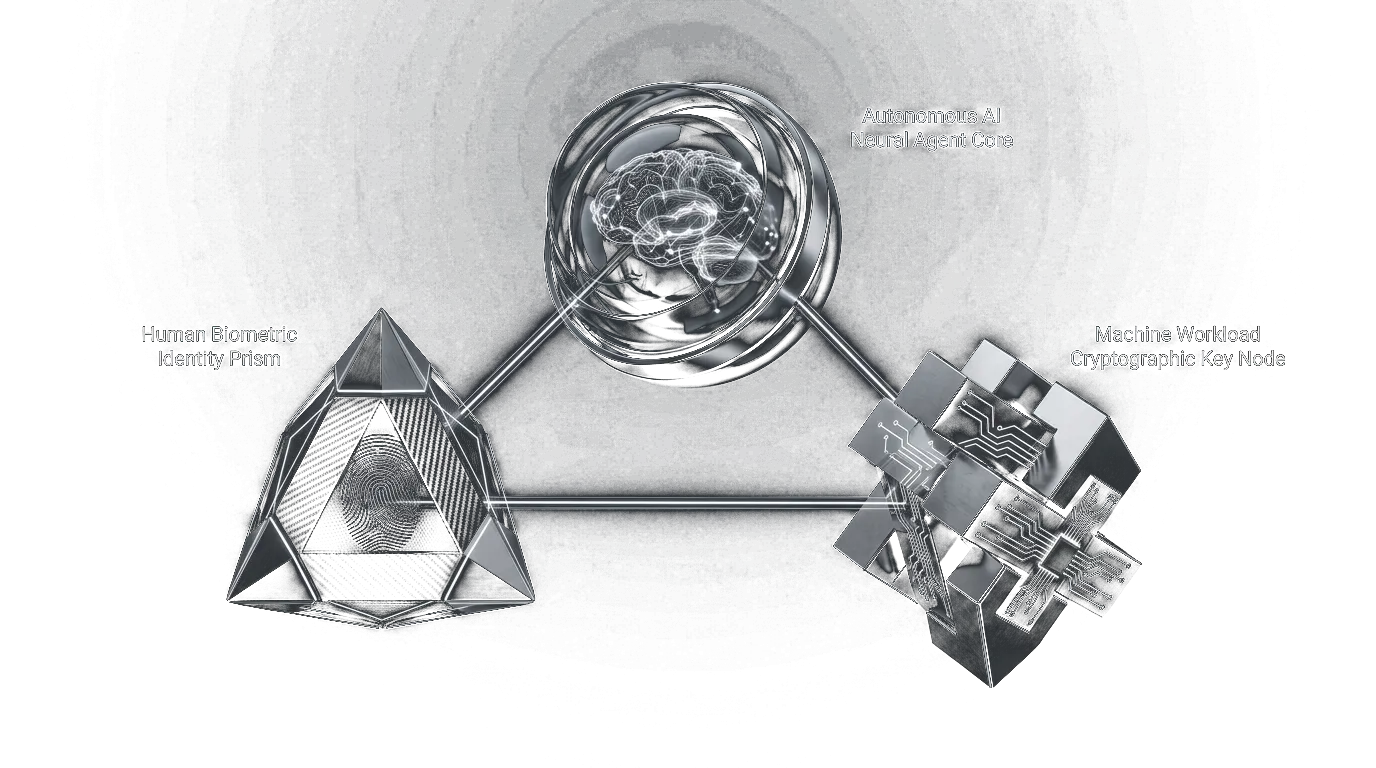
Three Identity Types
Human Identity
Govern employee, contractor and privileged access throughout the identity lifecycle, from onboarding and role changes to access reviews, provisioning and secure offboarding.
Machine Identity
Secure service accounts, applications, workloads, service principals and certificates by establishing ownership, lifecycle governance, least privilege and controlled credential management.
AI Identity
Prepare for autonomous AI agents by governing their identities, permissions, credentials and lifecycle with the same accountability expected for human and machine access.
Problems We Solve
Fragmented Identity Governance
Disconnected identity systems create inconsistent access decisions, limited visibility and unnecessary operational complexity across enterprise environments.

Manual Identity Lifecycle
Manual Joiner-Mover-Leaver processes delay access, increase operational effort and make timely deprovisioning harder to guarantee.
Application Onboarding Backlogs
Applications remain outside governance because onboarding is slow, technically complex and dependent on multiple teams and legacy integrations.

Access Governance Without Confidence
Organizations struggle to determine who has access, why they have it, who approved it and whether it remains appropriate.
Unmanaged Non-Human Identities
Service accounts, workloads and application identities often lack clear ownership, lifecycle controls, credential governance and periodic access review.

Our Identity Security Services
Identity Security Assessment & Advisory
Assess identity architecture, governance maturity and operational gaps, then define a practical target state and prioritized modernization roadmap.
Identity Governance & Administration
Build controlled, auditable identity governance across lifecycle management, access requests, certifications, roles, entitlements, provisioning and application access.
IAM Implementation, Integration & Modernization
Implement and modernize IAM environments while integrating enterprise applications, directories, APIs and identity platforms into a consistent access ecosystem.
Cloud Identity & Access Modernization
Modernize legacy authentication and access by moving applications toward Microsoft Entra ID, SSO, federation and governed cloud identity architectures.
Identity Automation & Engineering
Automate lifecycle, provisioning, onboarding and access workflows through APIs and engineering to reduce manual effort and improve operational reliability.
Human, Machine & AI Identity Security
Extend identity governance beyond employees to service accounts, workloads, application identities, certificates and emerging autonomous AI agents.
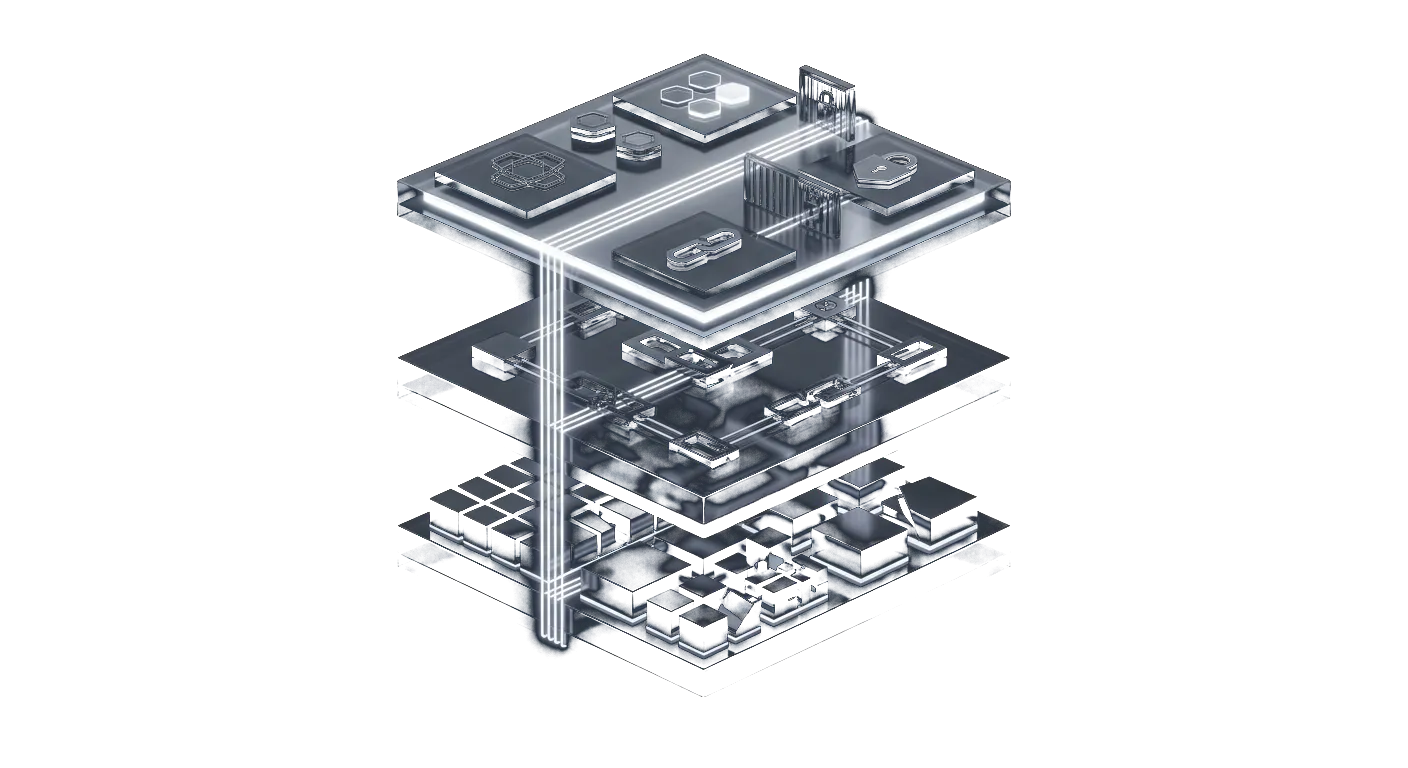
Cloud modernization is also an identity transformation.
Moving an application is not complete until authentication, authorization, lifecycle, ownership and governance move with it. OTTO Technologies helps organizations modernize the identity layer alongside applications.

Legacy Application → LDAP / Active Directory → Cloud

Microsoft Entra ID → SSO

SailPoint / Saviynt → Automated Lifecycle → Governed Access
Core Platforms
SailPoint IdentityIQ
SailPoint Identity
Security Cloud
Microsoft Entra ID
Saviynt
Experience in Complex, Regulated Environments
Enterprise identity and access experience within complex Canadian banking environments supporting regulated, business-critical systems.
Identity and access experience within a large-scale European banking environment with demanding governance, security and operational requirements.
Enterprise IAM experience supporting identity governance, application access and security requirements within large insurance environments.
Experience delivering identity capabilities where access governance, traceability, reliability and security controls are fundamental operational requirements.
The Identity Questions
Every identity should have accountable ownership. For human identities, this usually connects to employment and management structures. For machine, workload and AI identities, ownership must be explicitly assigned to a responsible team or individual so access decisions, reviews, credentials and retirement never depend on an orphaned technical account.
Organizations need visibility beyond whether an identity exists. They need to understand which applications, systems, data and resources it can access, through which roles or entitlements, and whether those permissions remain appropriate. Effective identity governance makes these access relationships visible, reviewable and enforceable.
Access should be traceable to a business or technical decision. Organizations need to know who requested access, who approved it, why it was granted and under which policy. Maintaining that decision trail improves accountability and makes access reviews, investigations and regulatory evidence significantly more reliable.
Identities may authenticate through passwords, certificates, keys, tokens, secrets or federated mechanisms. Understanding which credentials belong to each identity, where they are stored and how they are protected is particularly important for service accounts, applications, workloads and other non-human identities.
Access that was appropriate six months ago may no longer be appropriate today. Periodic reviews help organizations verify that roles, entitlements and privileged access still reflect a legitimate requirement. Review frequency should reflect the sensitivity, privilege and risk associated with the identity and the resources it can reach.
Credentials should have defined ownership, expiration and rotation processes rather than remaining valid indefinitely. Automation can help organizations discover expiring certificates, rotate secrets and credentials safely, reduce operational disruption and limit the risk created by forgotten or long-lived authentication material.
Every identity needs an end-of-life process. Human identities should be deprovisioned when relationships end, while machine and AI identities require explicit retirement when applications, workloads or agents are decommissioned. Effective lifecycle governance removes access, credentials and dependencies instead of leaving dormant identities behind.
Ready to strengthen your identity security?
Let's discuss your identity environment, modernization priorities and the access challenges standing between your current state and where you need to be.